


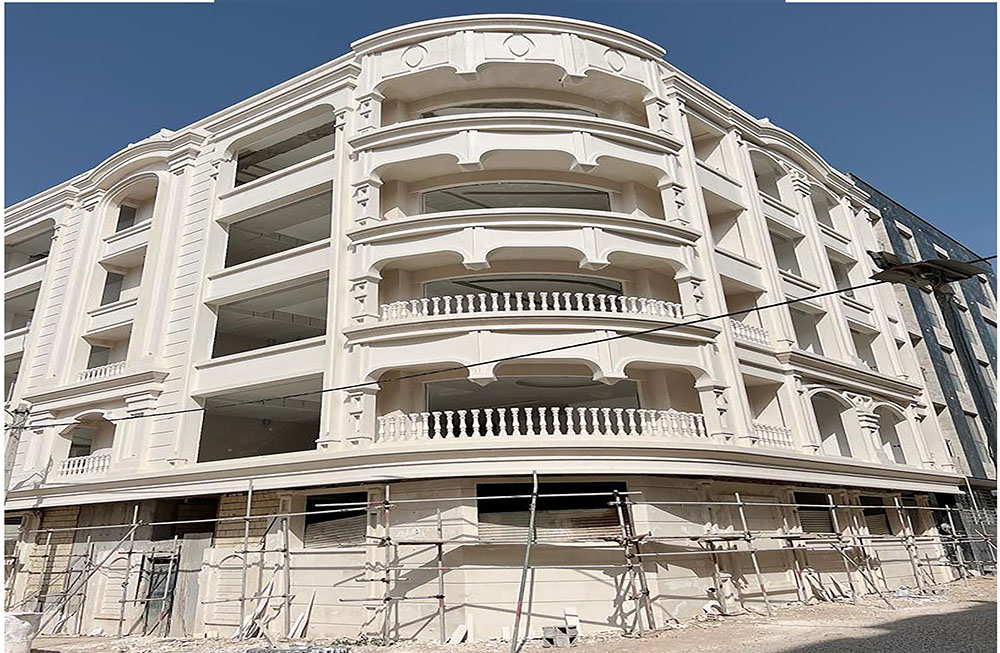


Advantages of Limestone
Durability: Limestone is a durable stone that can withstand heavy use
Aesthetic appeal: Limestone has a unique and attractive appearance that can add value to a building
Versatility: Limestone can be used for a variety of applications
Aesthetic appeal: Limestone has a unique and attractive appearance that can add value to a building
Versatility: Limestone can be used for a variety of applications
Disadvantages of Limestone
Porosity: Limestone is a porous stone that can stain or become damaged if not properly sealed
Softness: Limestone is a relatively soft stone that can be scratched or etched if not properly maintained
Cost: Limestone can be expensive, especially for high-quality varieties
Softness: Limestone is a relatively soft stone that can be scratched or etched if not properly maintained
Cost: Limestone can be expensive, especially for high-quality varieties
Maintenance of Limestone
Cleaning: Limestone should be cleaned regularly to prevent dirt and grime from accumulating
Sealing: Limestone should be sealed periodically to protect it from stains and damage
Restoration: Limestone can be restored to its original condition through polishing and honing
Sealing: Limestone should be sealed periodically to protect it from stains and damage
Restoration: Limestone can be restored to its original condition through polishing and honing
Environmental Impact of Limestone
Sustainability: Limestone is a natural stone that can be sourced locally, reducing transportation costs and environmental impact
Recyclability: Limestone can be recycled and reused, reducing waste and environmental impact
Recyclability: Limestone can be recycled and reused, reducing waste and environmental impact
By understanding the properties, applications, and maintenance requirements of limestone, you can make informed decisions when selecting this stone for your project.
Would you like to know more about limestone or is there something specific you’d like to know


نقد و بررسیها
هنوز بررسیای ثبت نشده است.